In a defining clash between rapid technological adaptation and entrenched military bureaucracy, Defense Minister Mykhailo Fedorov steps down after six months, leaving behind a modernized defense architecture, a breakthrough ballistic missile, and an outraged technology ecosystem.
The Innovation Paradox: Reformers vs. The Status Quo
When Mykhailo Fedorov – the architect behind Ukraine’s flagship digital state ecosystem – was appointed Minister of Defense, the global technology and defense sectors watched closely. The core question was bold: Could a modern, product-minded technocrat reshape a massive, war-torn defense bureaucracy through asymmetry, digitalization, and open-market principles?
Six months later, that experiment has hit a dramatic structural wall. Following a government reshuffle, Fedorov confirmed his departure from the post. His exit has triggered widespread discontent across the Ukrainian technological ecosystem, startup hubs, and forward-thinking military units. The resignation of key figures—such as leaders within the Lazar Group and prominent defense-tech entrepreneurs – underscores a growing rift between Fedorov’s agile, tech-first methodology and the rigid, attrition-based operational doctrines championed by traditional military leadership.
Fedorov leaves behind a formidable record of rapid transformation. In a final operational debriefing, he outlined the structural shifts achieved by his team – alongside the systemic resistance that halted full military reform.
Key Milestones: What the Digital Transformation Team Delivered
Despite inheriting a ministry constrained by severe budget deficits, Fedorov’s team executed an aggressive, innovation-led strategy. Below are the key outcomes delivered during his six months in office:
1. Strategic Electronic & Aerial Dominance
Disabling Russian Starlink Access: Cut off enemy access to Starlink terminals, fundamentally crippling Russia’s ability to conduct effective drone-driven operations.
Budget Realignment for Asymmetric Tech: Reallocated end-of-year personnel funding into high-impact systems, including mid-strike capabilities, fiber-optic FPV drones, low-cost reconnaissance units, ground robotic complexes, interceptor drones, and deep-strike platforms. In just four months, procurement volume surpassed the entire previous year’s total.
The “Logistics Lockdown” Program: Launched a dedicated, independently funded program aimed at severing enemy supply lines, accelerating the operational isolation of occupied Crimea alongside strategic top-tier units.
Drone Line Funding & Assault Support: Secured baseline funding for the Unmanned Systems Forces’ procurement pipeline and established support programs for modern drone-assault units that prioritize technology over human-resource attrition.
2. Procurement Revolution & Economic Efficiency
Brave1 Market Integration: Introduced a 70% advance payment mechanism through eBaly on the Brave1 Market portal to streamline procurement for domestic manufacturers.
Open Market Tenders: Shifted major procurements to transparent tenders—including long-range artillery and hundreds of thousands of drones—saving the state budget billions of dollars.
Military Mobility Procurements: Executed the first competitive public tenders for thousands of essential light transport vehicles, including pickup trucks, buggies, and ATVs.
Brigade-Level Predictability: Rolled out an automated baseline drone supply system for combat brigades and corps, ensuring predictable monthly deliveries starting July without manual intervention.
3. Air Defense & Deep-Strike Milestones
Air Defense Optimization: Integrated technical leadership into Air Force operations and introduced mandatory After Action Reviews (AAR) for every mass attack. Intercept rates rose from 83% to 91% for drones and from 47% to 87% for cruise missiles.
Long-Range Air Defense Contracts: Secured initial contracts for Patriot PAC-2 GEM-T missiles and submitted applications via European credit lines for PAC-3 procurements.
Low-Cost Anti-Shahed Missiles: Developed and signed a record-breaking contract to scale affordable missile counter-measures against jet-powered Shahed drones.
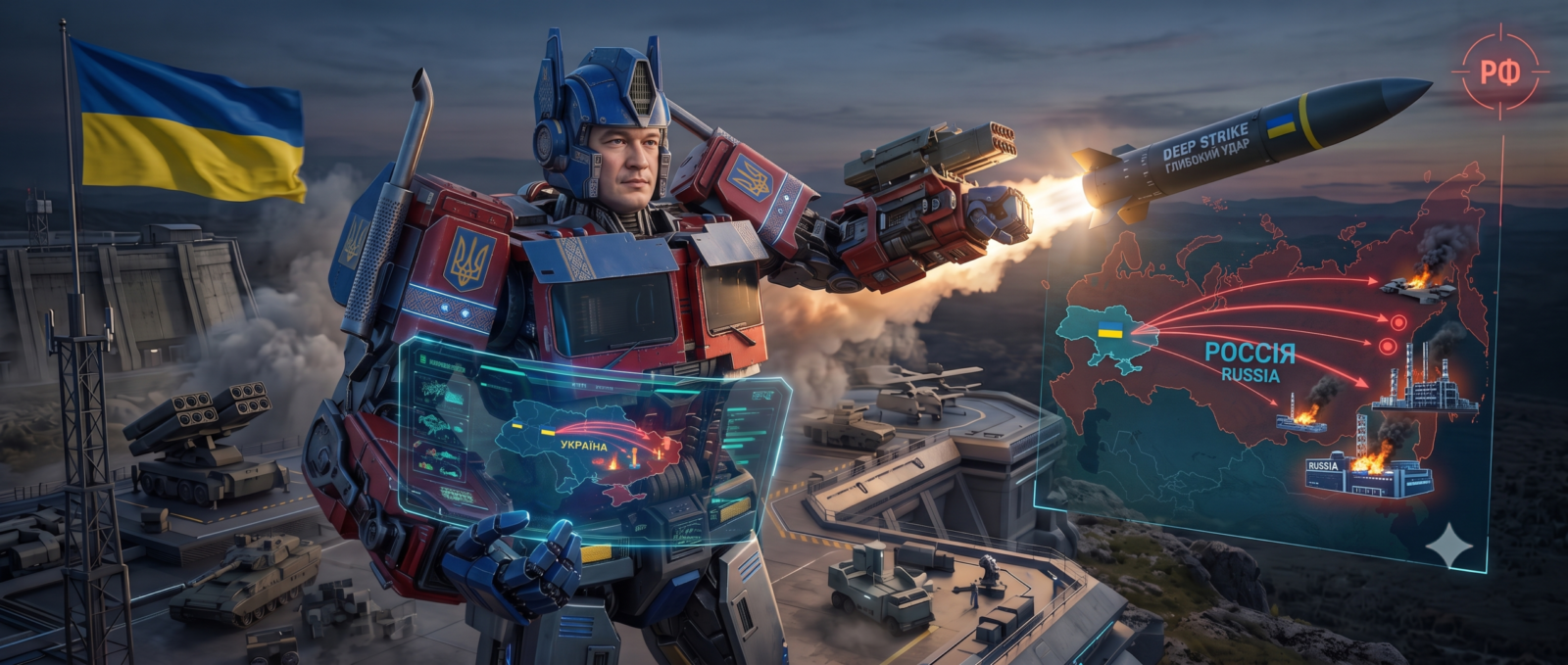
Domestic Ballistics Breakthrough: On the day of the government reshuffle, successfully tested a domestically produced ballistic missile developed under MoD oversight. Revised technical specifications achieved maximum precision while cutting manufacturing costs by 30%, pushing Ukraine into a higher strategic league.
Gripen Aircraft Acquisition: Signed a procurement contract for Saab JAS 39 Gripen fighter jets to counter Russian Su-series aircraft carrying guided aerial bombs.
4. Ground Operations & Structural Defense Reform
Operation “Ashan”: Co-planned and executed Operation “Ashan” alongside military commanders, halting a major enemy mechanized offensive for six months.
Personnel & Service Transformation: Initiated critical manpower reforms, including fixed-term service contracts, guaranteed deferments, world-class competitive pay scales for infantry and assault troops, transparent international recruitment markets, and new compliance pathways for AWOL personnel returning to duty.
Explosives & Missile Grant Program: Launched a large-scale grant ecosystem specifically targeting domestic manufacturers of explosives and rocket propellants.
5. Global Alliances & Defense Tech Integration
International Capital Mobilization: Led three Ramstein Defense Group sessions, helping dispel narratives regarding Ukraine’s position and securing $40 billion in non-loan military commitments for the current year.
EU Credit Line Architecture: Constructed the regulatory framework enabling European loans to be directly deployed for Ukrainian defense priorities.
Drone Deal Export Mechanisms: Unlocked targeted defense export channels under the Drone Deal initiative to attract foreign direct investment and scale domestic defense industrial capacity.
Trophy Lab & Defense AI Center A1: Established Trophy Lab for international partners to reverse-engineer captured Russian hardware, and launched Defense AI Center A1 to accelerate artificial intelligence deployment on the battlefield.
Unfinished Business: The Friction with Military Bureaucracy
In his farewell statement, Fedorov candidly acknowledged the structural areas where his team faced insurmountable pushback:
Incomplete NATO Organizational Overhaul: While new structural divisions were created and key personnel removed, deep-seated institutional inertia slowed the pace of essential firings and organizational restructuring according to NATO standards.
Universal Tender Transition: The ambition to shift 100% of military procurement to open, competitive tenders remained partially realized due to resistance from legacy logistics networks.
Institutional Accountability: Establishing a systemic culture of personal responsibility for operational decisions across the military hierarchy remains an ongoing challenge.
Looking Ahead: Asymmetry vs. Attrition
The dismissal of Mykhailo Fedorov exposes a critical friction point within Ukraine’s defense strategy: a conflict between modern, data-driven technological warfare and traditional mass-attrition doctrines.
For the global investment community and Western partners, Fedorov’s six-month tenure demonstrated that a tech-first approach to national defense yields unmatched return on investment, rapid iteration cycles, and significant cost savings. As the tech sector voices its deep concerns over this abrupt shift, one key question remains for international observers: Will Ukraine’s defense apparatus continue its trajectory toward high-tech asymmetry, or will legacy bureaucracy stall the momentum built by the country’s digital revolutionaries?
Source: FEDOROV