Bojan Stojkovski, The Recursive’s Western Balkans Editor, covering tech, innovation, and business, released an article about Ukraine’s potential to become a Silicon Valley of Defense Tech.
The Recursive is an independent media platform for innovation journalism. From entrepreneurs and investors to tech communities, media shines a light on the vibrant innovation ecosystems in Central and Eastern Europe with the mission to tell the stories of those shaping the future economy in the region and make them reach the world.
“The conflict, unfortunate as it is, accelerated this trajectory for Ukraine to become a hub for defense innovation, and according to domestic entrepreneurs, this is an opportunity that the country needs to grab fast – first to win the war, and then to further develop this sector of the tech industry,” — the author writes.
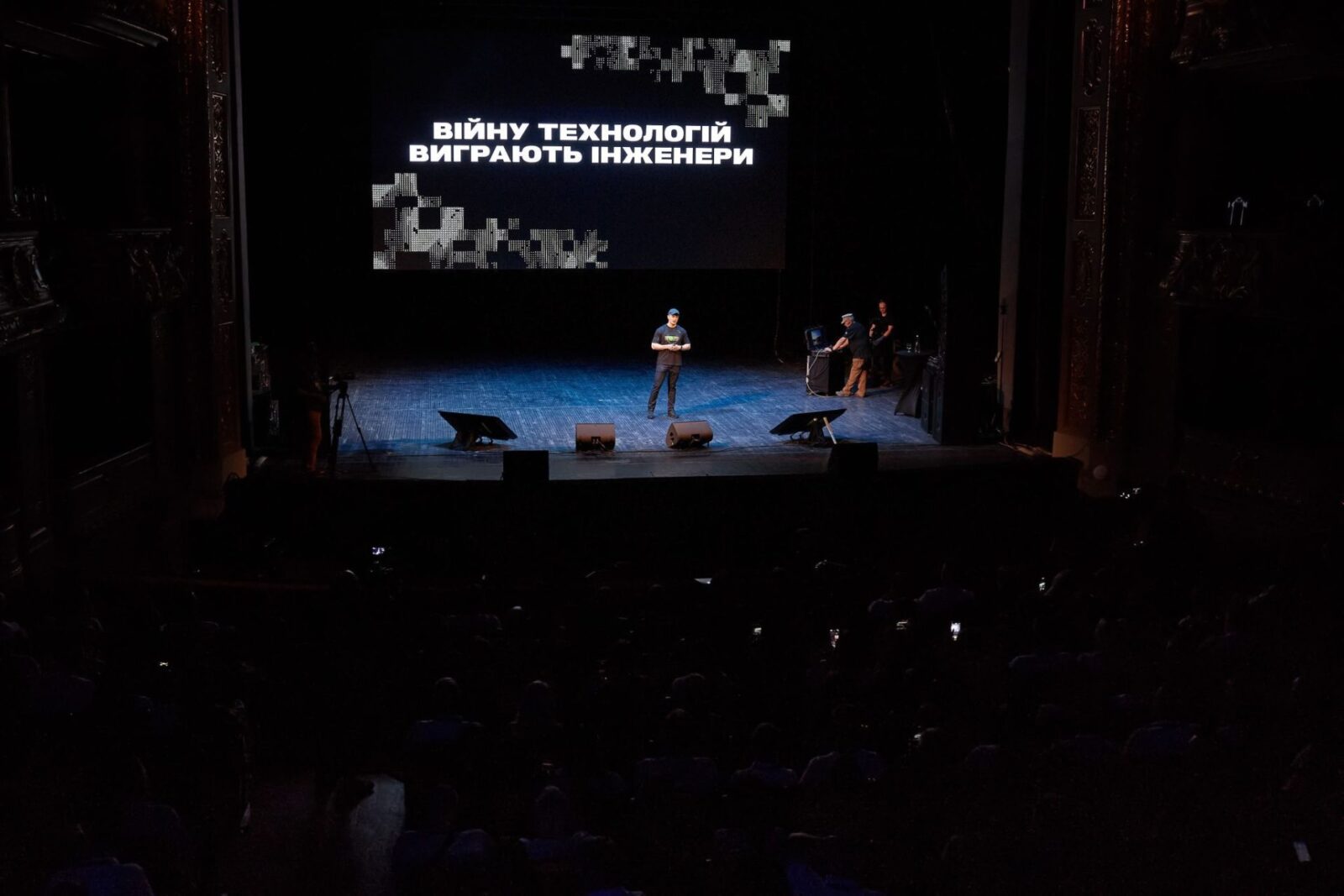
“Every technology offers opportunities to make a breakthrough that can turn the course of this war. If we had a thousand drones simultaneously attacking a bridge and each company can make hundreds of drones, that would be all very simple,” Fedorov said during a presentation at IT Arena 2023 about the various tech solutions that the country has been implementing during the war.
And here, as the Ukrainian official further explained, is a potential that the country has to further exploit.
Fostering defense tech innovation through experience from the frontline
Since its official launch in April this year, the Brave1 cluster has become the epicenter of Ukraine’s defense tech landscape. Spearheaded by seasoned entrepreneur Nataliia Kushnerska and her team, the goal for Brave1 is to connect the diverse elements of this ecosystem – ranging from companies and startups to government agencies, defense forces, and investors.
Their mission is clear: to transform Ukraine into a Silicon Valley for defense technology – with one of the unique aspects being innovation originating from the frontline itself.

A lot of solutions appear on the frontline through private funding because sometimes startups are not donating money, but they’re actually solutions from the frontline. We’ve seen a lot of such solutions, and they’re really effective. And one of our missions was actually to get all those effective solutions that are already on the frontline and to get them to the Ministry of Defense for acquisition and procurement procedures,” Kushnerska, who acts as Brave1’s COO, tells The Recursive.
As she further explains, navigating this intersection of business and military interests is no small feat, and despite these challenges, the collaboration between Brave1 and the country’s Ministry of Defense is streamlining the development of both the solutions and startups that are behind them.
With a particular focus on drones, demining, electronic warfare and AI, the cluster has seen 575 submitted solutions, with half of them getting a BRV1 status for further development. The cluster has also given out 54 grants for startups, worth close to $1 million.
Mantis Analytics, a deep tech startup that develops an AI-driven information field monitoring platform, was one of the winners of the defense tech track, securing a $200K investment from an angel investor.
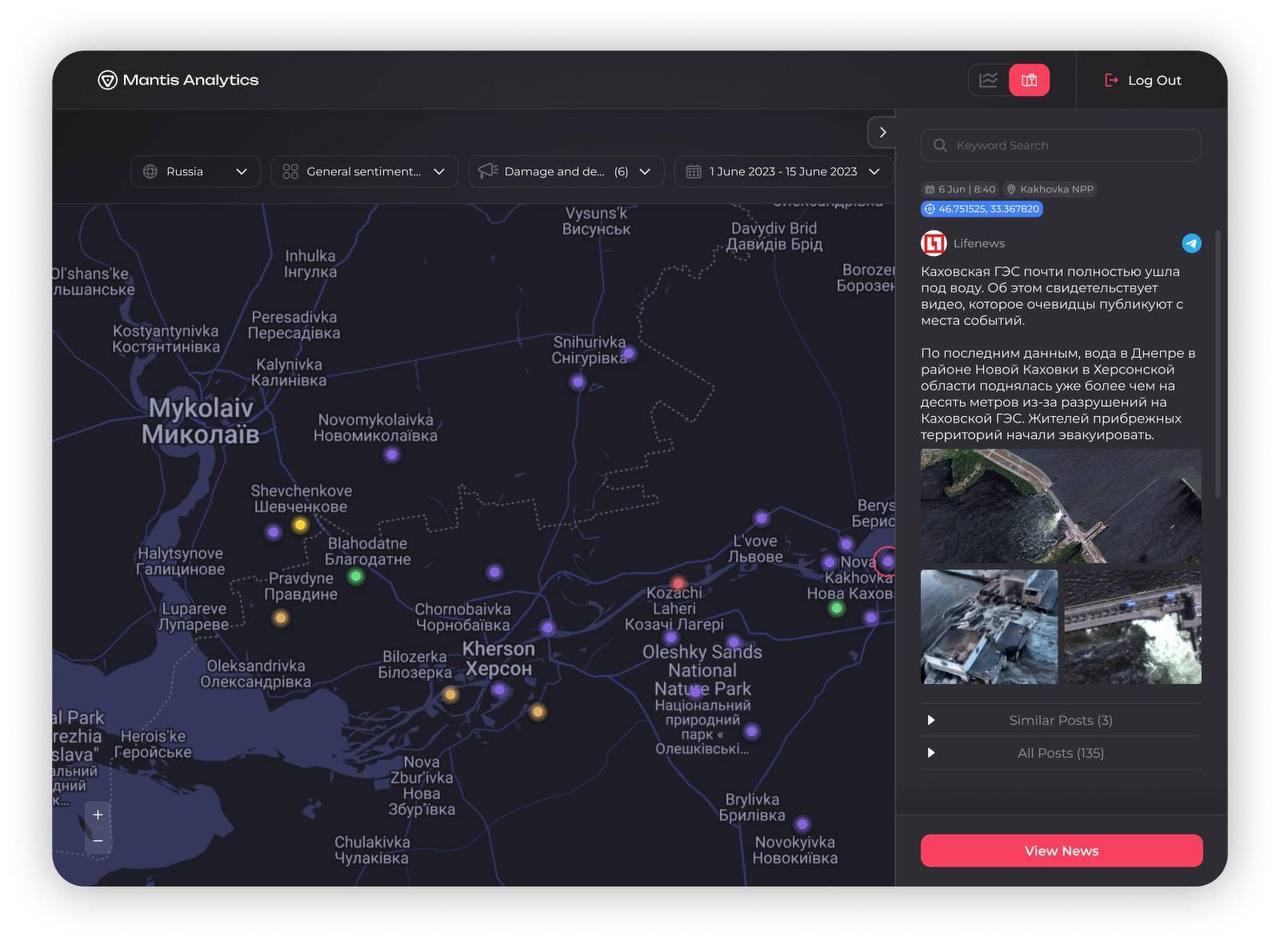
We are a startup engaged in the detection and analysis of disinformation and information attacks with the help of artificial intelligence. We were born as a volunteer initiative at March 2022, after the full-scale invasion of Russia, when a team of talented people from the IT sector decided to somehow help Ukraine. During the previous year, we have helped the government, think tanks, journalists and other agents of information war to protect the Ukrainian information landscape from Russia’s malicious activities,” Mantis Analytics’ co-founder Anton Tarasyuk tells The Recursive.
Click on the link to read the full article about Ukraine’s potential to become a Silicon Valley of Defense Tech.