This explores the crucial role technology plays in modern warfare, drawing on insights from individuals on the front lines of both the physical and digital battlefields. From repelling sophisticated cyberattacks to leveraging open-source intelligence and digitizing armed forces, this report examines how technological innovation is being harnessed to defend against aggression and protect national security.
Cyberwarfare: A New Battleground
Cyberwarfare has emerged as a critical component of modern conflict. As Yehor Aushev, CEO and co-founder of Cyber Unit Technologies, explains, cyberattacks often precede physical ones, with hackers infiltrating systems and waiting for the opportune moment to cause disruption.
The nature of cyberwarfare is constantly evolving. Initial chaotic attacks have given way to more sophisticated cyber operations, strategically planned and coordinated by hostile intelligence agencies.
Targeting Critical Infrastructure and the Private Sector
While military targets remain a focus, civilian sectors are increasingly vulnerable to attack. Attacks on local communities have doubled, exploiting their lack of cybersecurity awareness. The attackers are also targeting businesses to destabilize the economy and gain access to government systems through trusted third parties.
Building a Robust Cyber Defense
Experts emphasize the need for a strong public-private partnership in cybersecurity. Significant strides have been made in cyber defense, but more needs to be done. Governments should support domestic cybersecurity solutions and involve private companies in building a robust national cyber ecosystem. Additionally, raising public awareness about cybersecurity threats remains crucial.
The Power of Open Source Intelligence (OSINT)
OSINT has emerged as a powerful tool in modern conflict. Private intelligence agencies, such as the one headed by Artem Starosiek, are using OSINT to investigate war crimes, identify enemy military targets, and even apply psychological pressure on the aggressor.
Digital Transformation of the Armed Forces
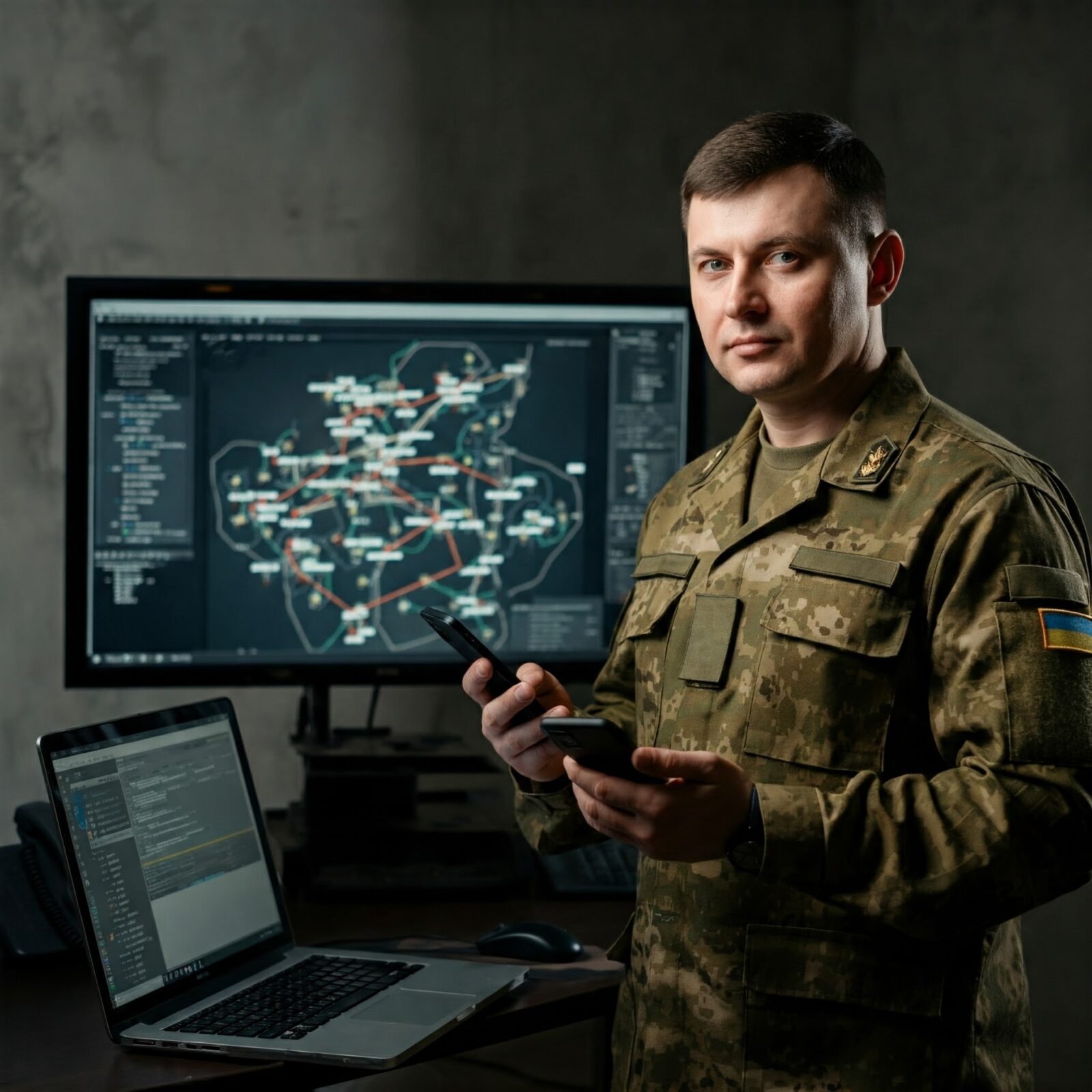
Individuals like Artem Romanyukov are leading efforts to digitize armed forces. Key achievements include applications that streamline military processes, improve communication, and enhance efficiency. The legalization of critical situational awareness systems is another significant step forward.
Looking Ahead
Experiences in cyber warfare and digital transformation offer valuable lessons for other countries. As conflicts continue, the commitment to technological innovation and cyber resilience remains paramount.
Key Takeaways:
- Cyberwarfare is an integral part of modern conflict, with attacks evolving in sophistication.
- Civilian infrastructure and the private sector are increasingly targeted.
- A strong public-private partnership is crucial for effective cyber defense.
- OSINT is a powerful tool for intelligence gathering and combating the enemy.
- Armed forces are undergoing a significant digital transformation.
This provides a glimpse into the multifaceted ways in which technology is being utilized in ongoing conflicts. It highlights the ingenuity and resilience of those leveraging technology for defense, offense, and national security in the face of aggression.
Source: The Ukrainians Media