Ukrainian ingenuity is once again taking flight with the reveal of the “Batyar”, a new multi-role strike drone developed by the domestic company DeepStrikeTech. While its silhouette might evoke comparisons to the notorious Shahed drones, the Batyar boasts a distinct Ukrainian design and a versatile mission profile that sets it apart. This isn’t just another knock-off; it’s a calculated evolution in unmanned aerial systems.
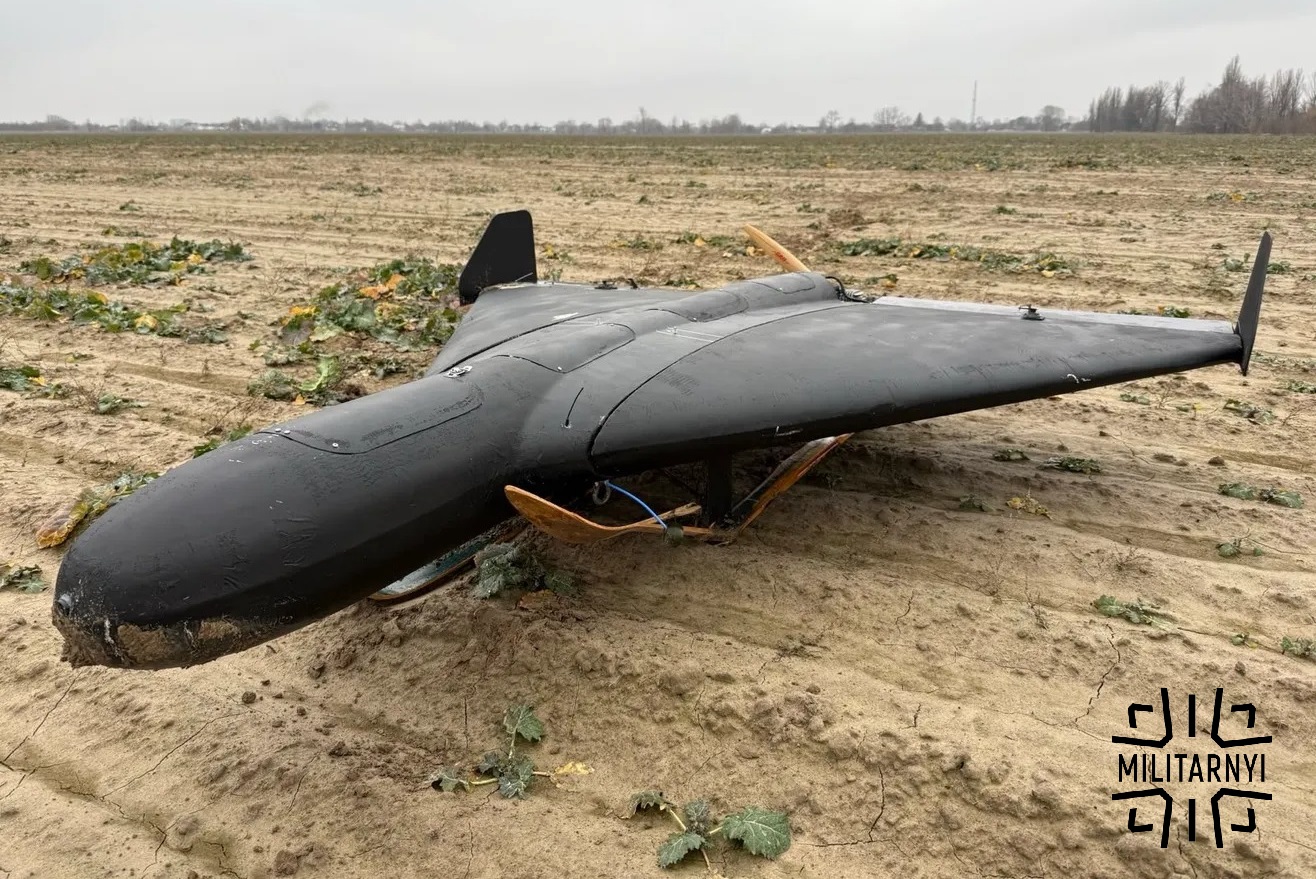
Initially conceived as a long-range kamikaze drone for deep strikes, the Batyar’s capabilities have significantly expanded throughout its development. This adaptable platform can now be configured as a decoy target, a bomber, or a front-line kamikaze drone, depending on the installed payload and software. This flexibility makes it a formidable asset for a variety of operational scenarios.
The Batyar is no lightweight contender. In its long-range configuration, the 60-kilogram, gasoline-powered drone can deliver an 18 kg warhead over distances exceeding 800 kilometers. One of the core design philosophies was to create a drone that’s easily deployable. The Batyar can be launched via catapult or even from a vehicle, eliminating the need for prepared runways or specialized launch equipment – a crucial advantage for dynamic field operations.
A key tactical feature, according to DeepStrikeTech, is the Batyar’s resilience in its terminal phase. When diving onto a target, the drone is reportedly capable of maintaining its designated course even if damaged, ensuring a higher probability of mission success.
The distinctive airframe, reminiscent of the Russian-Iranian Shahed, is acknowledged by its creators. However, they emphasize that this similarity is purely visual. The Batyar’s aerodynamics were meticulously calculated by DeepStrikeTech engineers, who primarily drew upon Western technical documentation. This suggests a focus on proven aerodynamic principles, tailored for their specific operational needs, rather than a simple replication of existing designs.
The concept of “Shahed-like” drones, characterized by their delta-wing or similar planforms and often used for one-way attack missions, isn’t entirely new. As far back as 1994, Germany developed the Drone Anti-Radar (DAR). This early precursor was designed to detect and engage enemy radar systems and could also act as a decoy to mimic larger aircraft. The 110 kg DAR had a top speed of 250 km/h and an endurance of up to three hours, though the project was eventually shelved.
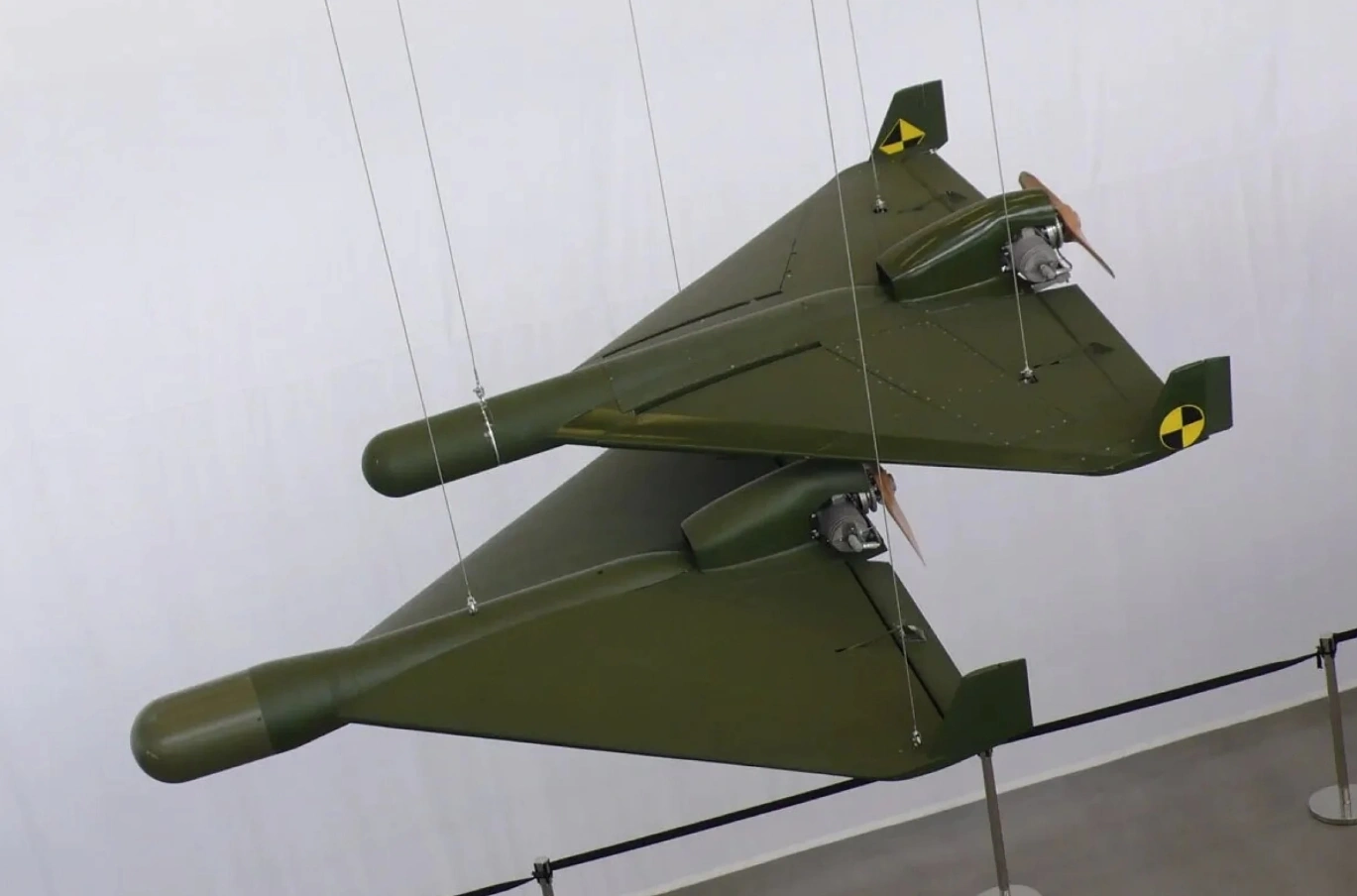
The emergence of the Batyar underscores Ukraine’s rapidly advancing domestic defense industry and its commitment to developing innovative solutions to meet contemporary battlefield challenges. While drawing inspiration from global UAV trends, the Batyar is a testament to Ukrainian engineering, aiming to deliver a potent, adaptable, and domestically produced asset for its defense forces.
Source: MILITARNYI