The Ukrainian defense tech player is simultaneously ramping up production of life-saving logistics robots and integrating advanced computer vision into its combat platforms.
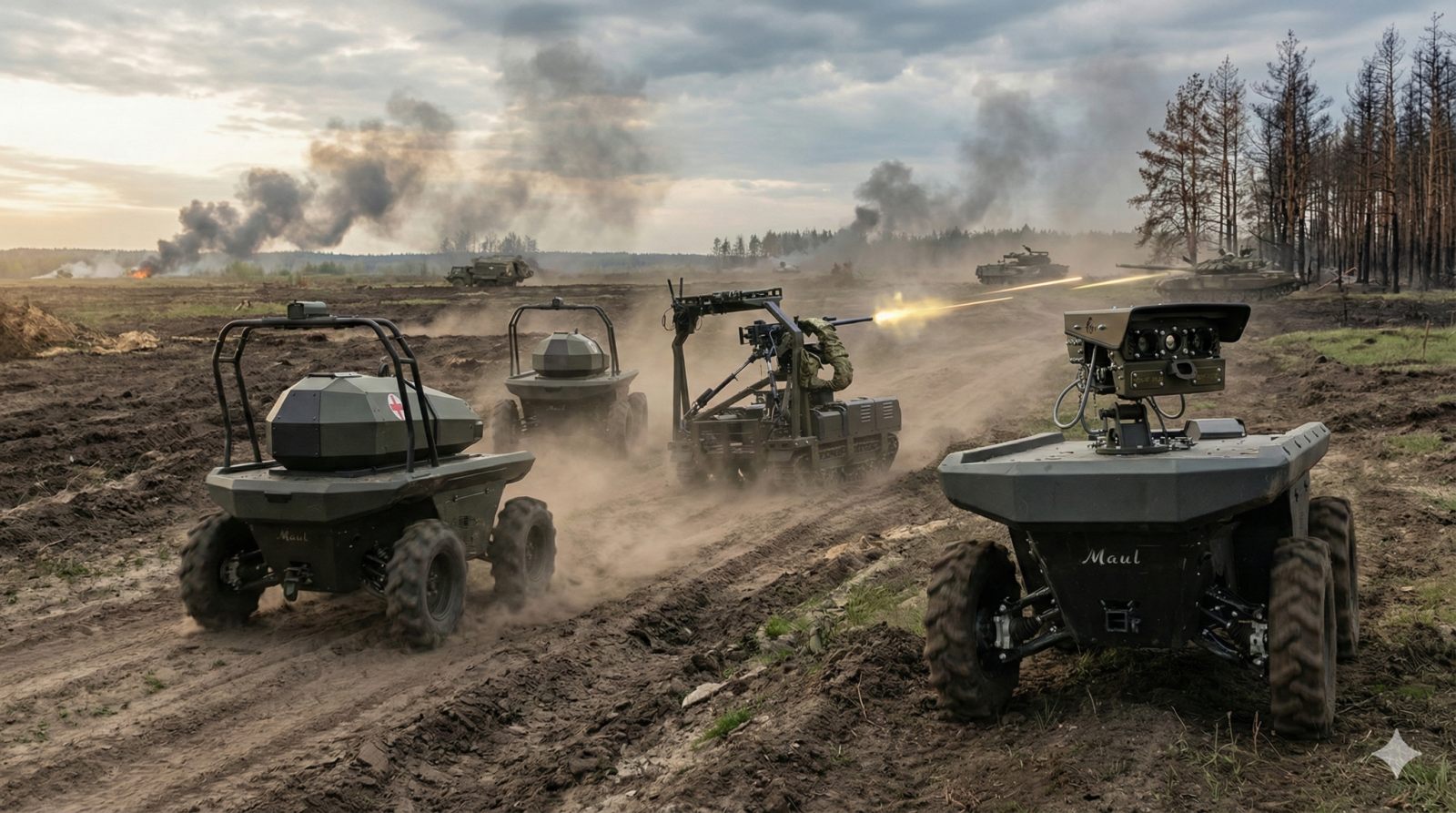
In the high-stakes laboratory of the Ukrainian frontline, robotics manufacturer DevDroid is making significant moves to redefine ground warfare. In a dual announcement covering both humanitarian and combat capabilities, the company revealed it has entered serial production of its “Maul” evacuation drone while simultaneously rolling out a new AI-powered optical targeting system for its combat units.
The developments highlight a rapid feedback loop between frontline operators and engineers—a hallmark of Ukraine’s booming defense tech sector.
The ‘Maul’: Born from the Medics’ Request
The Maul unmanned ground vehicle (UGV) wasn’t born in a corporate boardroom; it was conceptualized in the trenches. According to DevDroid CEO Yuri Poritskiy, the project began as a direct response to a request from the 1st Medical Battalion of the Armed Forces of Ukraine (AFU). The medics needed a mobile solution to extract the wounded from “red zones” where conventional evacuation is too deadly.
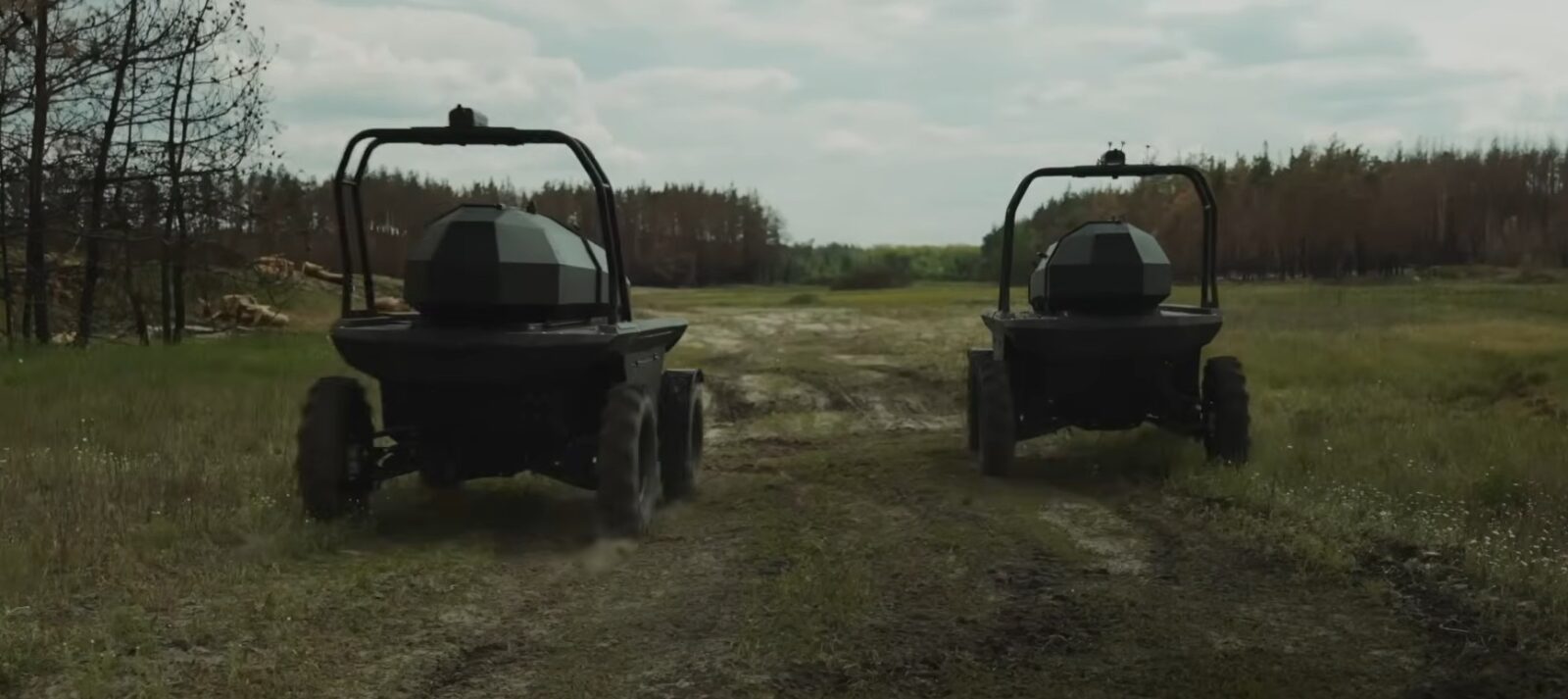
The resulting platform was developed in tight coordination with the battalion’s technical specialists, integrating feedback on controls, communications, and the evacuation module itself. Because active military units cannot legally run mass manufacturing lines, DevDroid stepped in to scale the solution.
“The First Medical Battalion became the first combat unit to start using Maul drones directly in combat conditions”, Poritskiy noted in an interview with Militarnyi.
Now codified as a dedicated evacuation asset, the Maul is entering mass production for the wider Defense Forces. The design remains fluid, subject to constant iteration based on combat data. One significant potential upgrade currently under review is a partially open capsule design. This would allow a wounded soldier to roll out independently if the drone were to flip over during transit—a grim but necessary ergonomic consideration for rough terrain.
AI Eyes and Heavy Firepower
While the Maul focuses on saving lives, DevDroid is also upgrading the lethality and intelligence of its combat variants. The company has successfully integrated an AI-driven optical detection system into its ground robotic complexes.
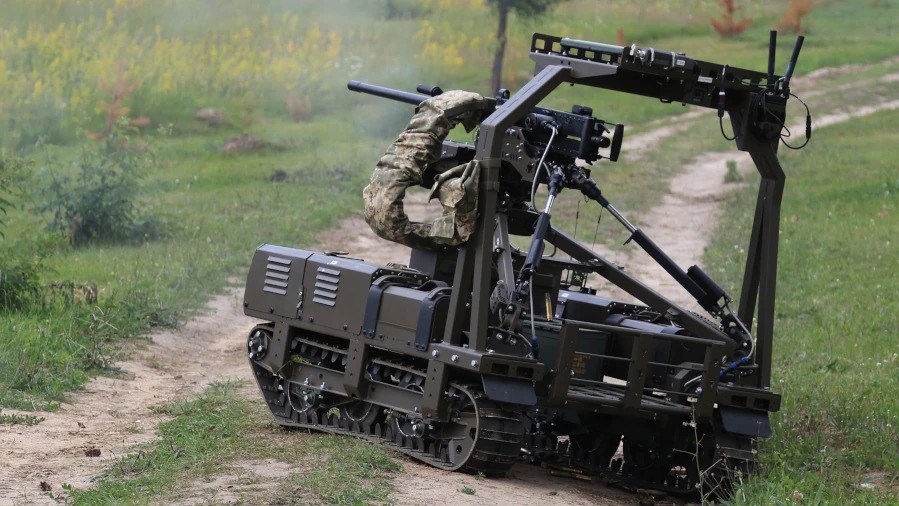
The new system utilizes a tri-camera array to give operators superior situational awareness:
-
Daylight Camera: Capable of detecting enemy manpower at ranges up to 1,000 meters.
-
Wide-Angle Lens: Provides context on movement vectors and clears “blind spots” in the immediate vicinity.
-
Thermal Imaging: Detects human heat signatures at 600–700 meters, depending on weather conditions.
Crucially, the system was trained on actual combat footage to minimize false positives. It features distinct modes for general motion detection and specific human identification.
“…there is a mode for any change in the picture, that is, during the movement of any object, a signal is given to the UGV operator. And there is a mode when specifically people are detected”, Poritskiy explained.
What’s Next: The Heavyweights
Looking ahead, DevDroid is not content with small-arms support. The company has announced plans for a heavy-duty UGV armed with a 30mm cannon.
This upcoming platform signals a shift from using ground drones merely for logistics or light suppression to deploying them for full-scale assault missions and heavy infantry support, further distancing human soldiers from the direct line of fire.