The battlefield is evolving, and Ukraine is right at the forefront of counter-drone technology. Two new contenders have emerged, promising to clear the skies of enemy eyes and threats: the VARTA DroneHunter system and the newly MOD-approved Chief-1 UAV. Let’s break down these aerial gladiators.
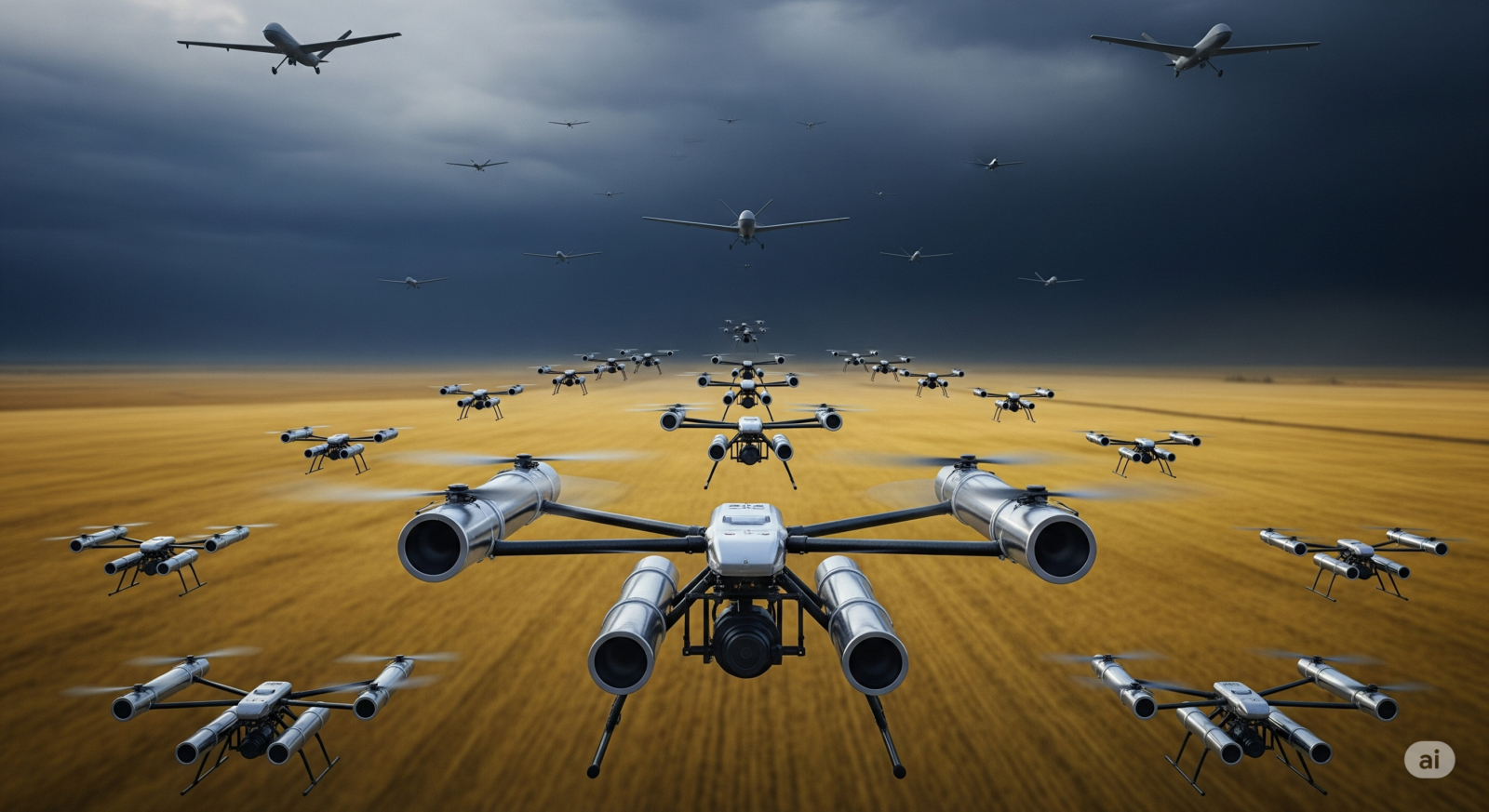
VARTA DroneHunter: The Kinetic Knockout Artist
Unveiled at the Drone Summit 2025 in Riga, the VARTA DroneHunter, developed by the Ukrainian company VARTA, is a copter-mounted system designed for a direct, kinetic takedown of small to medium-sized drones.
Key Punching Power:
- Dual-Barrel Shotgun Approach: It boasts two linked 12-gauge barrels with a recoil suppression system achieved through a simultaneous counter-shot. Think of it as a double-tap specialist for the skies.
- Specialized Ammo: Loaded with electrically initiated anti-drone cartridges, it’s effective at a close-quarters range of 5-20 meters.
- Lightweight Integration: Weighing in at 2.3 kg, it can be mounted on FPV drones ranging from 7 to 15 inches. VARTA even handles calibration and software adjustments for optimal performance.
- Cost-Effective Carnage: Priced at a lean €300, including a basic ammo pack of 12 rounds, the VARTA DroneHunter is positioned as a low-cost, high-impact solution. They’re already partnering with drone manufacturers like PG Robotics for pre-equipped UAVs. As we’ve previously highlighted when discussing their “LuckyStrike” bombers achieving an impressive 50-70 sorties on average, this collaboration could see VARTA’s system deployed on highly resilient and frequently used platforms.
- Battle-Tested & Evolving: Currently undergoing combat trials with Ukrainian units and available on the Brave1 Market military marketplace, VARTA isn’t resting. They’re already testing a quad-barrel successor with more potent ammunition, aiming to extend the engagement range to 50 meters and tackle larger drones and even ground robotic systems.
- Unique Supply Model: Interestingly, VARTA avoids direct sales. They prefer to receive the client’s drone, then personally equip, calibrate, and test the integrated system in their lab before sending back the complete, ready-to-rumble package. This ensures maximum effectiveness across diverse drone models and software.
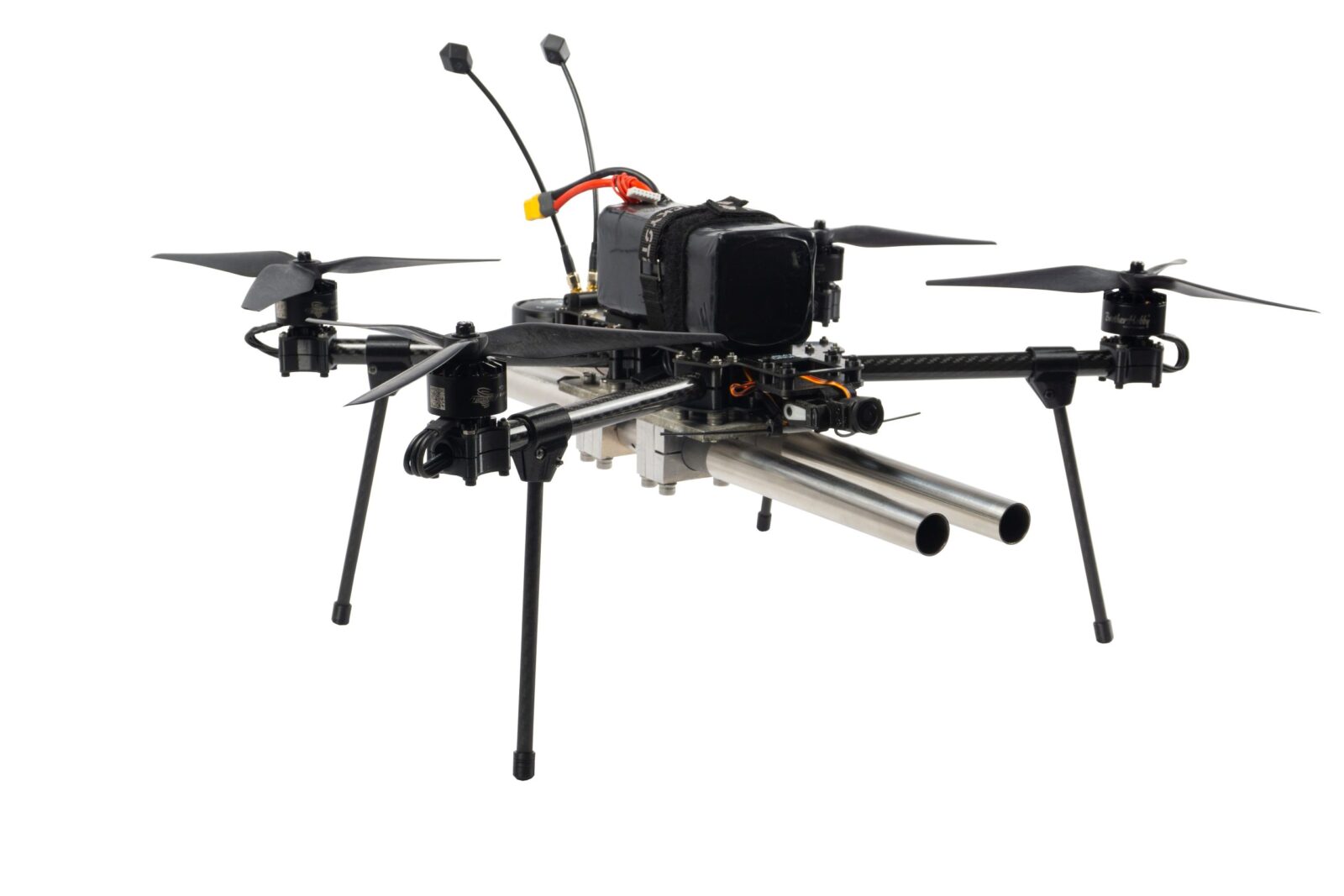
Chief-1: The MOD’s New Automated Hunter
Freshly approved for operation by the Ministry of Defense, the Ukrainian-made Chief-1 UAV is engineered to neutralize enemy aircraft or personnel using a shot-shell firing module.
Chief Strengths:
- Built for the Dogfight: Features a lightweight yet durable frame, powerful motors, and high maneuverability, specifically designed for aerial combat.
- Smart & Lethal: Equipped with automatic target recognition and optimal engagement distance calculation. It can fire in either manual or fully automatic modes.
- Target Menu: Chief-1 is adept at taking down enemy FPVs, bombers, and specific models of spotter and reconnaissance drones.

The Showdown: DroneHunter Module vs. Integrated Chief-1
This isn’t just about two new pieces of tech; it’s about two distinct approaches to the drone interception game.
- Flexibility vs. Specialization: The VARTA DroneHunter is a module – a versatile weapon system that can be retrofitted onto various existing drone platforms. This offers adaptability and potentially a wider application across different units and their existing drone fleets. Chief-1, on the other hand, is an integrated UAV system – a purpose-built hunter-killer. This suggests a potentially more streamlined and optimized performance for its specific role, having been designed from the ground up for aerial combat.
- Engagement Philosophy: VARTA emphasizes a close-range, almost point-blank kinetic kill with its shotgun-like system, relying on the power of its 12-gauge punch. Chief-1, while also using shot-shells, incorporates automated target recognition and engagement, hinting at a more sophisticated fire control system that could allow for slightly more standoff or a higher probability of hit in dynamic engagements.
- Firepower Evolution: VARTA is already looking ahead with a quad-barrel system for increased range and stopping power. While Chief-1’s current armament details are specific to shot-shells, its integrated design might allow for future weapon module swaps or upgrades as well, though this is speculative.
- Operational Readiness: The DroneHunter is already seeing battlefield trials and is available on Brave1, suggesting a rapid deployment path. Chief-1, having just received MOD approval, is now officially greenlit for operational use, indicating it will soon be a significant factor.
The Pepper in the Pot:
Both systems address the urgent need for effective counter-drone measures. The DroneHunter’s low cost and adaptability make it an attractive option for widespread deployment, essentially turning existing drones into interceptors. Chief-1’s integrated design and automation point towards a more dedicated, potentially “smarter” interceptor drone.
The real spice here is how these systems will complement each other or compete on the Ukrainian battlefield. Will units prefer the customizable firepower of the DroneHunter module, or the all-in-one lethality of the Chief-1? One thing is certain: the skies over Ukraine are becoming an increasingly dangerous place for hostile drones, thanks to these innovative domestic solutions. The race is on, and these Ukrainian tech warriors are definitely in it to win it.
Sources: MILITARNYI; Ministry of Defence of Ukraine.