

While the aggressor bets on mass terror, Ukraine’s defense tech ecosystem is betting on precision, speed, and asymmetric evolution. Meet “Salyut” and “FlyCat”—the newest proof that Kyiv isn’t just holding the line; it is rewriting the rules of aerial warfare.
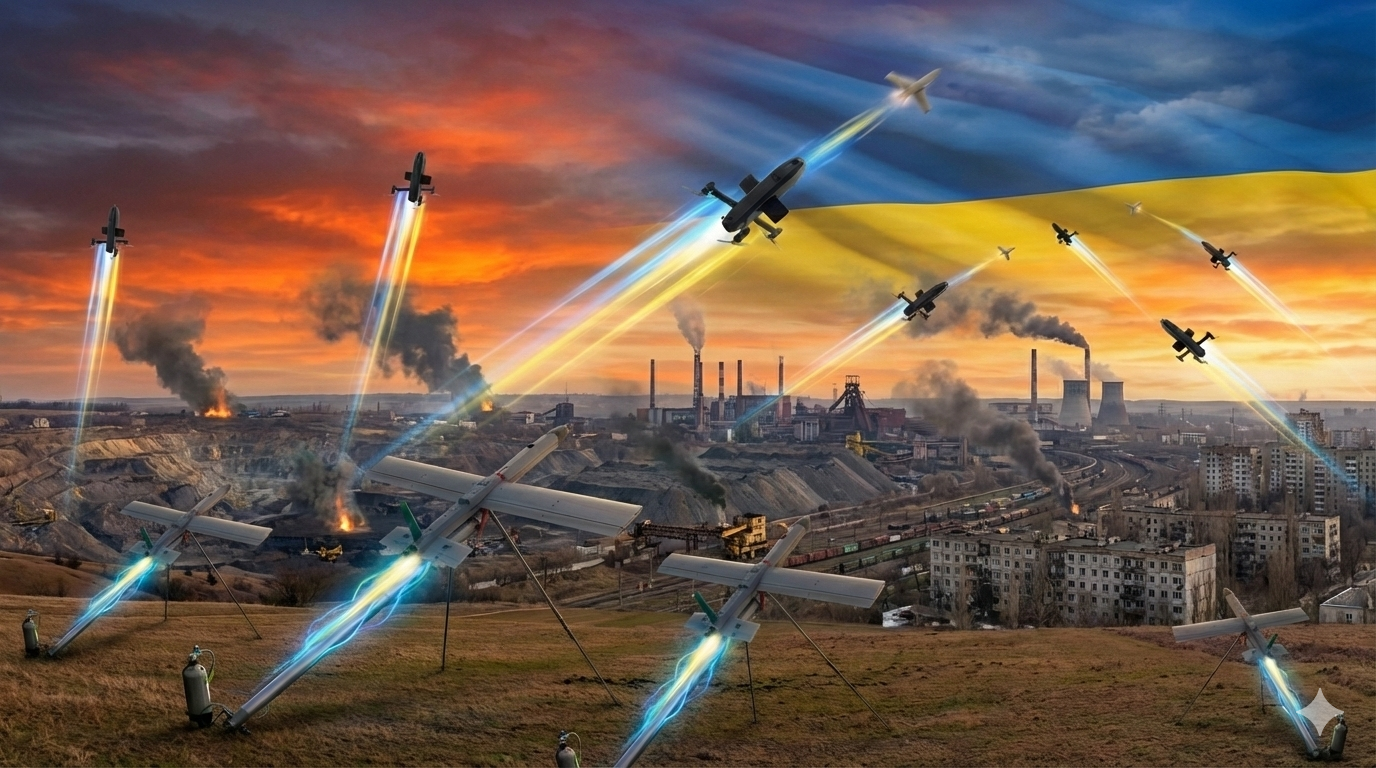
If the beginning of 2026 has proven anything, it is that the winter air raids were meant to break us. They failed. Instead, under the constant wail of sirens and amidst power flickers, Ukrainian engineers have been working double shifts. The result? A clear message to the enemy: we are not just defending; we are hunting.
This week, reports from our colleagues at Militarnyi highlight two major breakthroughs that illustrate the dual nature of Ukraine’s current strategy: a cost-effective shield against “Shaheds” and a new, long-range sword for strikes behind enemy lines.
The Shield: “Salyut” vs. Shaheds
The economic equation of war has long been skewed: firing million-dollar missiles at cheap Iranian-designed loitering munitions is unsustainable. Ukraine’s answer is the “Salyut” (Salute) — a drone interceptor designed specifically to hunt down the Shahed-136/131 fleet.
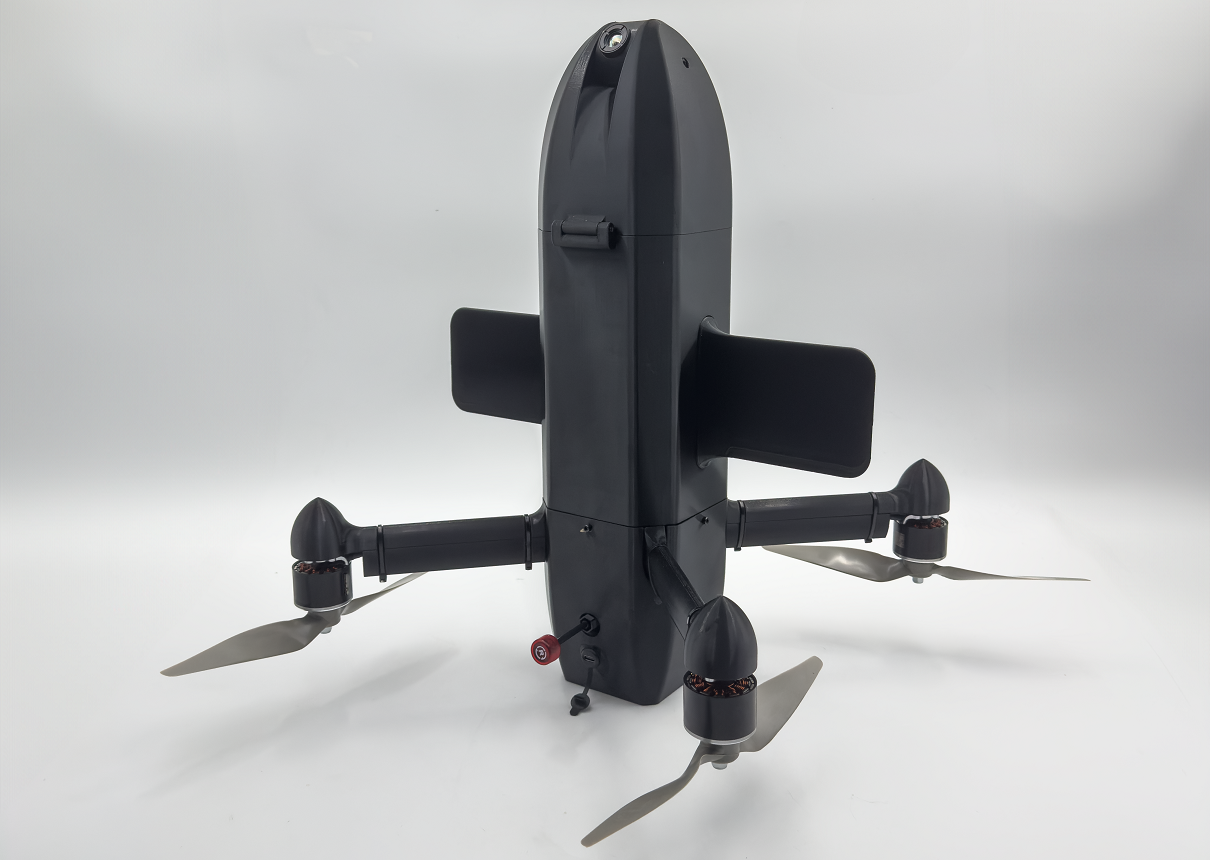
According to a report by Militarnyi, the “Salyut” is not a prototype awaiting endless trials; it is a solution already at work. The developers confirmed a critical milestone: the interceptor has “already been shooting down Shaheds”, along with other Russian drones like the “Zala” and “Gerbera”.
The speed of this development is nothing short of miraculous. From the start of work to the first interception took just two months. This pace was achieved through extreme dedication:
“Already after a month of work, the team went directly to the front to demonstrate the development to some of the most effective air defense units… Within a week of working in a rented apartment near the front, the board was almost completely redesigned according to the real requests of the military”, the developers shared.
This is a game-changer for air defense economics. By utilizing a relatively inexpensive fixed-wing interceptor—capable of speeds up to 320 km/h—Ukraine frees up its high-end anti-aircraft systems for ballistic targets. It is a pragmatic, scalable answer born from necessity and forged in immediate combat conditions.
The Sword: “FlyCat” Enters the Chat
While “Salyut” cleans the skies at home, the new “FlyCat” loitering munition is designed to project power outward. Presented recently by Ukrainian manufacturer Venator Technologies, this system is positioned as a functional analog to the formidable “Bulava” and “RAM 2X” drones.
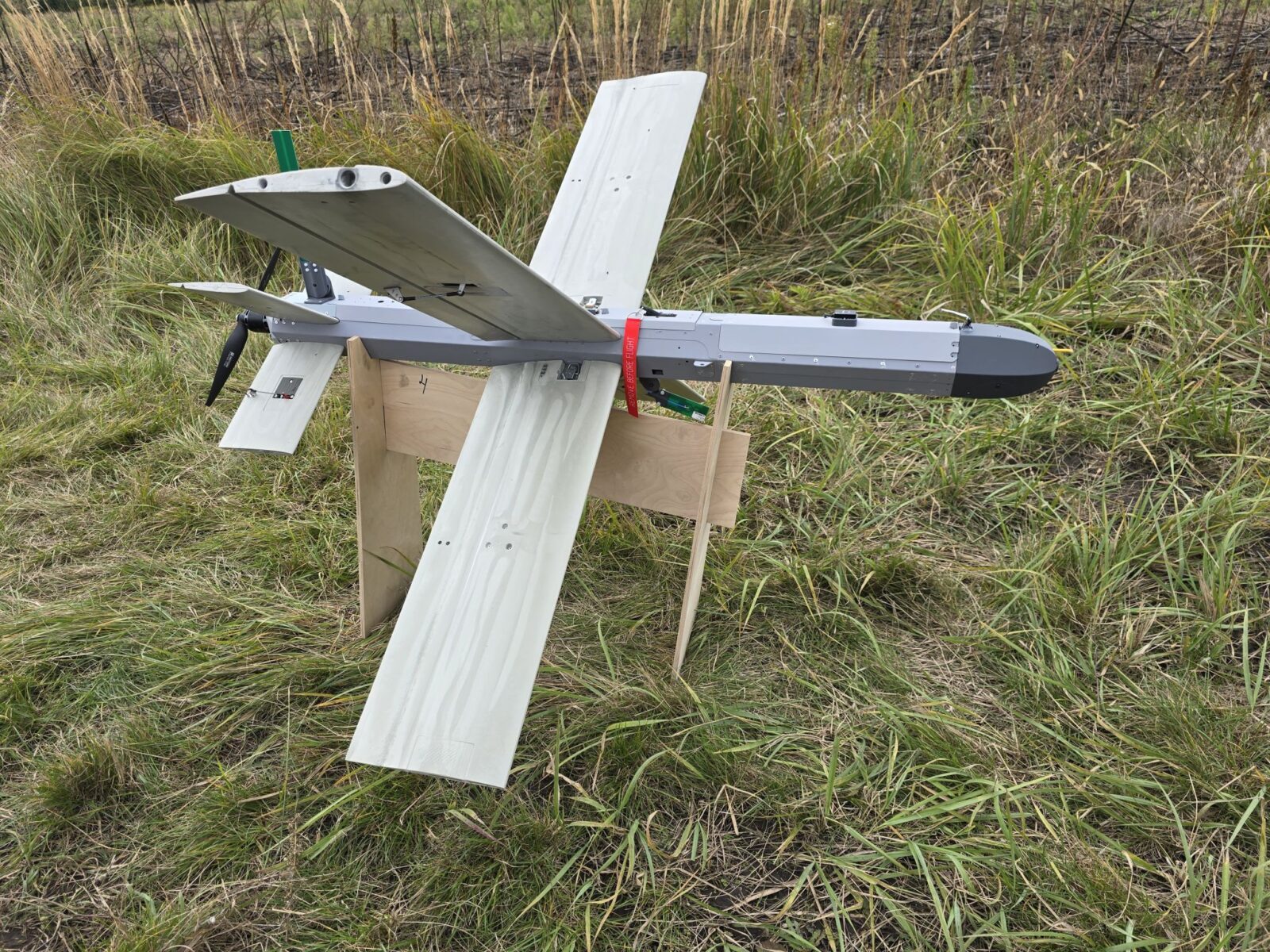
The “FlyCat” represents the maturation of Ukraine’s strike capabilities. With a range of over 45 km and an X-wing configuration, it is designed to bypass electronic warfare jamming.
“During the development of FlyCat, we focused not only on flight characteristics but also on precise and effective guidance at the final stage of the flight”, Venator Technologies representatives stated.
This focus on the “final stage” is crucial. It means the drone can autonomously lock onto targets even when the enemy severs the connection, delivering its kinetic payload exactly where it hurts the most.
The Verdict: Scaling the Response
The nearly simultaneous reveal of these two systems in early January is not a coincidence. It reflects the industrial tempo of a nation that refuses to be a victim.
While Moscow relies on mass procurement of foreign tech, Ukraine is building a sovereign, closed-loop ecosystem. We are seeing a rapid shift from “holding on” to “scaling up”. The “Salyut” protects our cities, allowing the “FlyCat” and its kin to dismantle the enemy’s capacity to wage war.
The message for 2026 is clear: The attacks will continue, but the response will be disproportionately technological, fiercely precise, and unmistakably Ukrainian. We are not going anywhere. We are just reloading.