In a significant stride towards bolstering its defense capabilities, Ukraine has successfully developed and tested the “Silkworm” fiber optic modules, designed for seamless integration into various types of drones – aerial, land, and maritime. This indigenous innovation signals a major leap in Ukraine’s technological self-sufficiency, particularly in critical defense components.
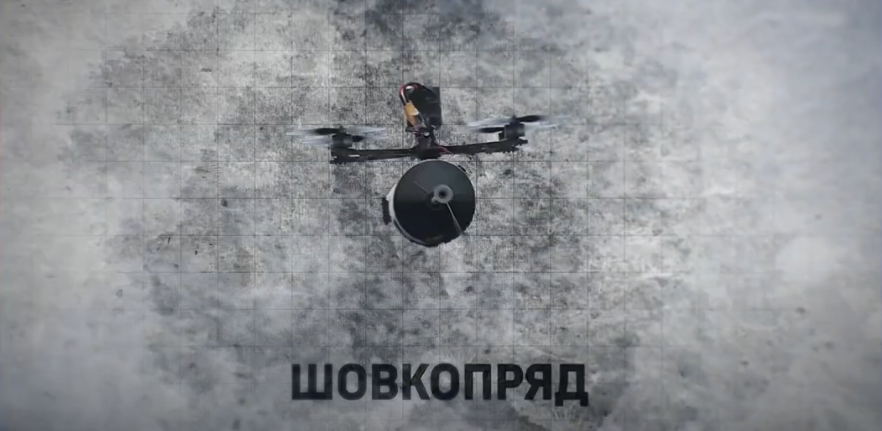
The “Silkworm” modules, currently undergoing rigorous testing by Ukraine’s Unmanned Systems Forces, offer a range of configurations to suit diverse operational needs. For kamikaze drones, the modules are available in two spool variants: one with an integrated warhead and another with a built-in battery. FPV drones equipped with these modules have demonstrated remarkable agility and an extended operational range of over 20 kilometers, challenging the conventional limitations of radio-controlled models.
According to the Unmanned Systems Forces, drone operators report a seamless transition to the fiber optic-controlled models, highlighting the user-friendly design and operational efficiency of the “Silkworm” modules. This feedback underscores the potential of these modules to revolutionize drone warfare tactics.
The development of the “Silkworm” modules also addresses a crucial supply chain vulnerability. Previously, Ukraine relied heavily on China for fiber optic cable spools, a dependency shared with Russian FPV drone manufacturers. By establishing domestic production facilities capable of winding finished optical fiber onto spools, Ukraine has not only secured its supply but also significantly reduced the risk of cable breakage during flight, a critical factor for mission success.
This achievement marks a significant milestone in Ukraine’s journey towards technological independence. With domestic production of essential drone components, the nation is poised to enhance its defense capabilities and reduce reliance on external suppliers.
Source: MILITARNYI