KYIV, Ukraine – Forget radio jamming. Ukraine has ushered in a new era of FPV drone testing, promising to rewrite the rules of engagement on the modern battlefield. Defense technology cluster Brave1 recently gathered over 15 leading UAV manufacturers at a testing ground for a large-scale trial of their latest innovation: FPV drones controlled via fiber-optic cable.
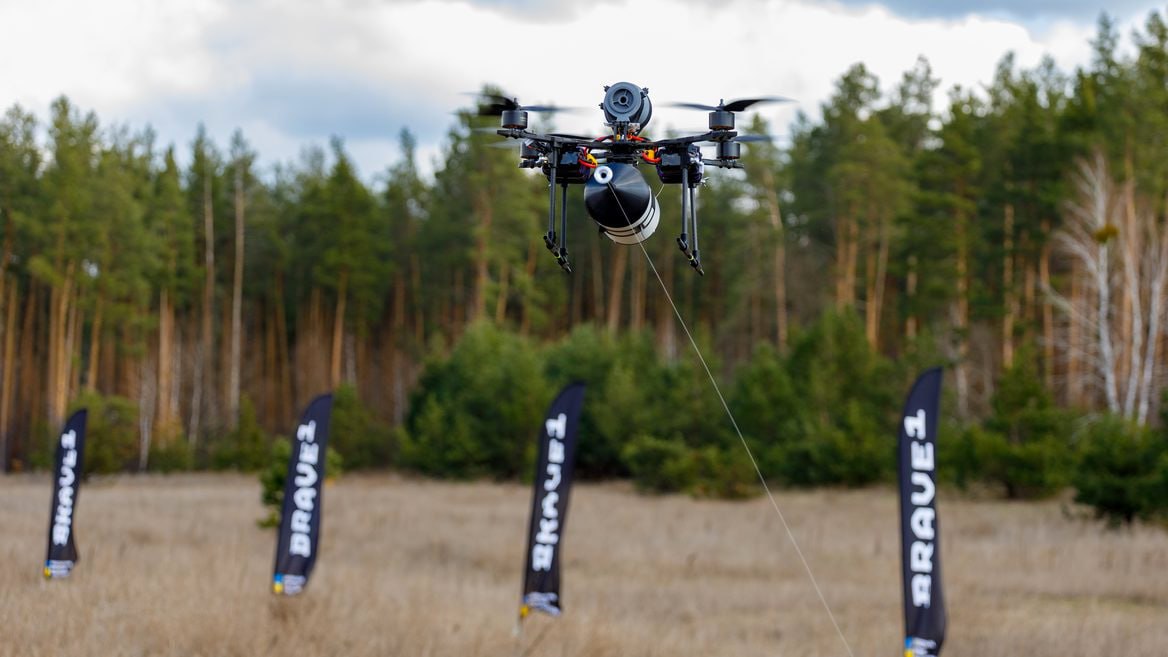
The Key Takeaway: These machines successfully navigated a challenging 20-kilometer (12.4+ miles) route complete with obstacles and simulated target approaches. This isn’t just incremental progress; it’s a massive leap from previous tests where the maximum range was 5-10 km. Ukrainian technology can now deliver precision strikes at distances previously inaccessible for FPVs due to pervasive Russian electronic warfare (EW) countermeasures.
Why This is a Game-Changer:
In an environment saturated with Russian EW systems, fiber-optic drones are becoming a critical asset for the Ukrainian military. Their main advantages are compelling:
- Complete EW Immunity: Fiber optics transmit signals physically through light, making them impervious to radio frequency jamming. The drone completes its mission regardless of the EW environment.
- Stealth Profile: With no radio emissions, these drones leave no electronic signature, rendering them invisible to enemy signals intelligence (SIGINT) and radio reconnaissance until the final moment.
- Crystal-Clear Video Feed: Stable, high-quality video transmission is maintained even at maximum ranges, providing operators with superior situational awareness.
- No Radio Horizon Limits: The physical tether overcomes line-of-sight limitations inherent to radio wave propagation.
Not Just Airborne:
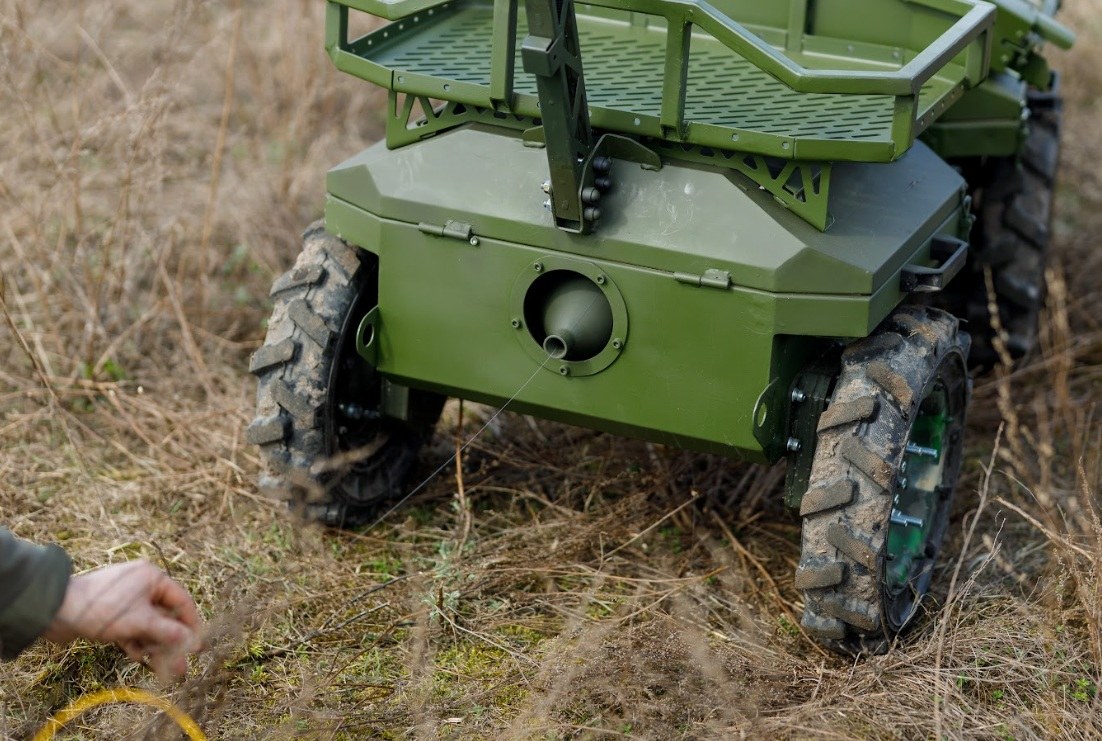
The trials weren’t limited to the skies. Seven manufacturers also tested Unmanned Ground Vehicles (UGVs) utilizing the same fiber-optic control technology. As noted by Captain Oleksandr Yabchanka from the renowned “Da Vinci Wolves” battalion, for ground robots operating across complex terrain littered with obstacles, a stable and secure communication link is a decisive factor. “Fiber optics are a game-changer… allowing our UGVs to operate at greater distances and help us destroy the enemy even more effectively”, he stated.
Demand is Surging:
Brave1 Director Nataliya Kushnerska highlighted the significance of the military’s response: “The high level of interest from the military in the test results underscores the demand for the rapid, large-scale deployment of fiber-optic drones to the front lines”. Units like the “Achilles” separate unmanned systems regiment, the 3rd Assault Brigade, and the “Ptakhy Madyara” unit are reportedly already pioneers in utilizing similar technologies in combat.
What’s Next?
Brave1 is committed to fostering the continued development and refinement of these fiber-optic systems for both air and ground applications. Crucially, their future work will also include developing countermeasures against potential enemy deployment of similar fiber-optic technologies.
The Bottom Line: Ukraine is making a strategic investment in technology designed explicitly to neutralize the pervasive threat of electronic warfare against unmanned systems. The successful demonstration of FPV drones reliably exceeding the 20km range benchmark unlocks new tactical possibilities and showcases the impressive speed of innovation within Ukraine’s domestic defense tech sector.
Source: DEV.ua