In the face of a monumental challenge, a Kyiv-based startup is unleashing a high-tech ecosystem to reclaim Ukrainian land. BeesAgainstMines is pioneering a modular drone platform that uses Artificial Intelligence to perform the dangerous, painstaking work of demining, transforming a battlefield into a future breadbasket.

The scale of contamination from mines and unexploded ordnance in Ukraine is staggering. It’s a deadly legacy that threatens civilians and cripples the nation’s agricultural heartland. But where human sappers face immense risk, technology can offer a revolutionary alternative. Enter BeesAgainstMines, a company with a clear and powerful mission.
“Our goal is to clean up as much of the dangerous garbage brought by the war as possible”, states CEO Oleksandr Plyakhtur. His company isn’t just building drones; it’s orchestrating a sophisticated, multi-stage operation from the sky.
A Symphony of Destruction: The SWARM at Work
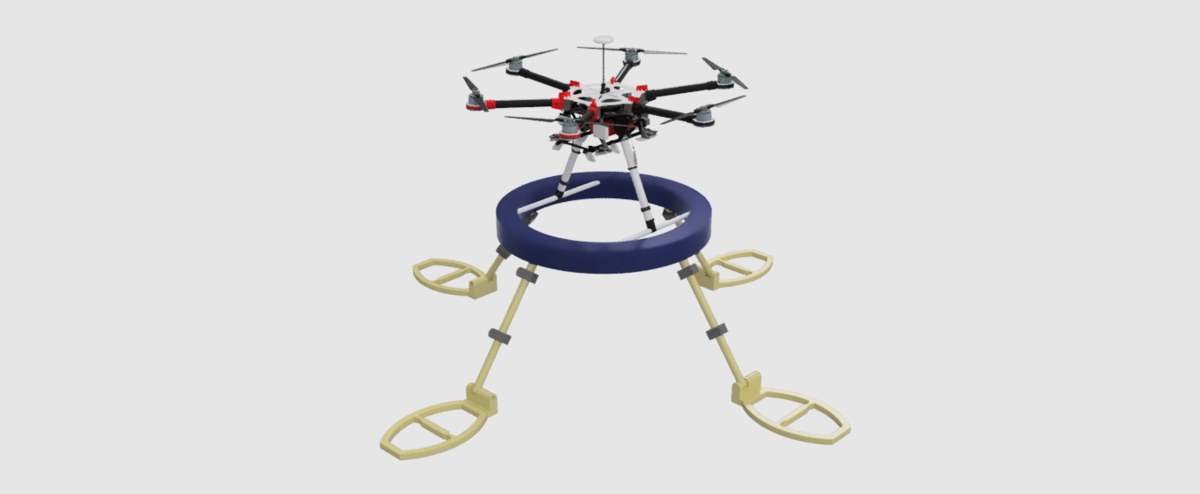
The core of the BeesAgainstMines solution is its “SWARM” system—a collaborative fleet of drones working in a single, unified information environment. The process is a meticulously coordinated ballet of technology:
- Surface Preparation: First, specialized drones clear the ground, cutting down high vegetation that could obstruct the search.
- AI-Powered Search & Identification: The search modules then sweep the area. Their advanced sensors, coupled with a unique AI, detect and identify a range of objects—from metal and plastic mines to unexploded shells and other debris. The system logs the precise coordinates, depth, and spatial orientation of each identified threat.
- Targeted Neutralization: This data is then distributed to the “destroyer” drones. They move in to neutralize the identified explosives with surgical precision.
- Cleanup & Removal: Finally, after a successful detonation, “cleaner” drones conduct excavation, removing the remnants to a designated safe zone.
“Our system allows us to neutralize and collect everything that was placed according to standard methods and to provide sappers with the coordinates of problem areas, such as shells that we cannot remove with drones”, Plyakhtur explains. The team is currently in the crucial phase of testing the system’s performance across various soil types.
Product by BeesAgainstMines. Photo credits: InVenture
The Secret Sauce: An AI That Thinks Like a Sapper
What truly sets BeesAgainstMines apart is its proprietary AI model. This isn’t just a pattern-recognition tool; it has been painstakingly trained to imitate the decision-making process of a human deminer.
Building this “digital sapper” is the most challenging part of the project. The team collects data from “sanitized real objects” under a wide array of conditions—different soils, temperatures, and weather—to teach the AI to think, not just see. This nuanced approach is vital for distinguishing a deadly anti-personnel mine from a harmless piece of agricultural debris.
The team itself is a strategic blend of expertise, comprising a practicing sapper, an engineer, a programmer, a CFO, a project manager, and marketing talent, ensuring that real-world experience is embedded in the technology’s DNA.
From Biology to Bionics: The Story Behind the Name
The name “BeesAgainstMines” is more than just a catchy moniker. Initially, the team explored using trained animals—including bees, rats, and pigs—to detect explosives.
“The main problem”, Plyakhtur reveals, “is that animals are excellent at detecting the residue from exploded shells but are very poor at identifying active, ‘clean’ plastic mines”. While the biological approach was shelved, the name found a new meaning. “The name comes from the sound the drones make”, he says, “which is somewhat similar to the buzzing of bees”.
The Business of Healing: A Service-Based Future
Developing such advanced technology requires significant investment, and Plyakhtur credits the Ukrainian Startup Fund for providing a vital early push.
Interestingly, BeesAgainstMines doesn’t plan to sell its technology as a product. Instead, the company will operate as a service provider, offering its demining expertise directly to clients. This model allows them to maintain quality control and continuously update their systems.
“We are currently preparing a solution for a pilot project with one client”, Plyakhtur notes. “The success of this pilot will determine the possibility of further cooperation”.
While the technology is currently focused on humanitarian demining—specifically for agricultural lands where their “large and slow” drones can operate safely—the system is built for scale. The SWARM architecture allows for the rapid reallocation of resources, efficiently balancing the workload across vast and differently contaminated areas.
For now, the mission is firmly rooted on home soil. As Plyakhtur concludes, the plan for the coming years is simple and profound: “To clean up as much of that dangerous garbage as possible and make our territories suitable for growing crops again”.
Source: DEV.ua